
The Intelligence Trap#
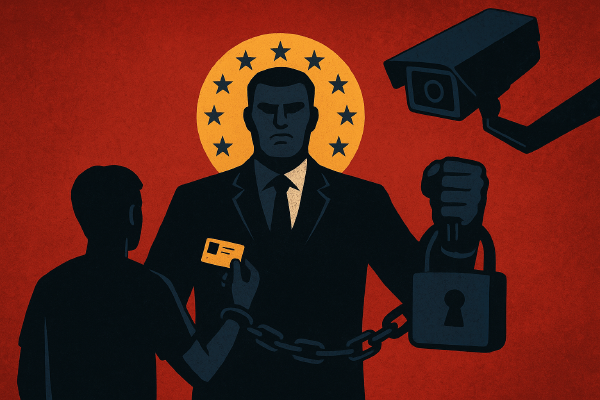
We need to stop pretending that social engineering is a “stupid people” problem. As the recent industry chatter confirms, high cognitive ability actually makes you a better target. Why? Because intelligent people seek logic. Scammers provide a logical framework: forged documents, authentic behavior, and the weight of authority. Your brain is wired to accept this as legitimate.
If you’ve spent a decade watching Hollywood movies where the NSA kicks in doors, your subconscious is already primed to surrender when three guys with fake IDs show up on your screen or at your desk. It’s not an IQ deficit; it’s a psychological exploit.
The Weaponization of Exhaustion#
The most dangerous vulnerability in any network isn’t an unpatched server. It is a tired administrator.
When you are juggling 60-hour workweeks, a family crisis, and a crumbling infrastructure, your judgment is the first thing to go. Scammers don’t need to be elegant; they just need to be well-timed. A system administrator at the edge of their seventh burnout cycle doesn’t have the mental RAM to play detective. They want the problem to go away so they can close their eyes for five minutes. Scammers don’t hack code. They hack your lack of sleep. I’ve discussed this reality before regarding the cybersecurity burnout crisis.
Gamification: Beyond the Checkbox#
Traditional security training is a failure because it feels like a chore. To build real resilience, we must move toward Gamified Awareness.
Don’t just tell people about phishing. Run internal, benign “scam competitions.” Reward the admin who spots the fake “NSA agent” first with something tangible. Use leaderboards, badges, and real-world incentives to turn security from a boring compliance task into a professional skill-shot. When security becomes a game with clear rewards, the dopamine hit counters the cortisol of a high-stress workday. It keeps the brain engaged where a PDF would send it to sleep.
The Enemy Within: Dominant Idiocy#
It’s not always a fake agent from Langley. Often, the “threat actor” is the aggressive senior developer in the office next to you. We’ve all seen it: the “French-speaking programmer” archetype who demands you install a legacy library with a 9.8 CVSS score because “the new version crashes the bank.”
This is internal social engineering. When dominant personalities bypass security protocols, they aren’t just being difficult. They are actively sabotaging the organization. If your culture rewards the loudest voice instead of the most secure protocol, you don’t have a security department. You have a theater troupe. It is a classic example of the compliance theater I’ve warned about before.
The $100 Billion Liability on a Bicycle#
There is a pathetic irony in expecting a system administrator to guard trillions in assets while they are underpaid, underfunded, and struggling. If your admin has to worry about their bicycle commute or their next burnout while holding the keys to the kingdom, your priorities are skewed. You cannot demand Tier-1 national security resilience from a Tier-3 salary.
⚠️ WARNING: THE PROTOCOL IS YOUR ONLY ALLY ⚠️#
If you are approached (by phone, email, or in person) by anyone claiming to be “government” or “Police” demanding access:
- NO VERBAL ORDERS: A badge is a piece of plastic; a phone call is just vibrating air. Without a signed court warrant from a local jurisdiction, you have zero data to give.
- THE “WTF” RESPONSE: Real agents follow legal procedures. Scammers use intimidation. If they pressure you, they are likely frauds.
- SILENT ALERTS: Implement “Duress Credentials.” Use codes that trigger a silent lockdown and alert legal counsel immediately.
- REWARD THE SKEPTIC: Foster a culture where “saying no” to authority is rewarded, not punished. Use gamified training to make verification a reflex, not a hesitation.
Stop blaming the victims of social engineering. Start fixing the systemic neglect and boring training that makes them vulnerable.